More than an old classroom
A community’s belief in its children.
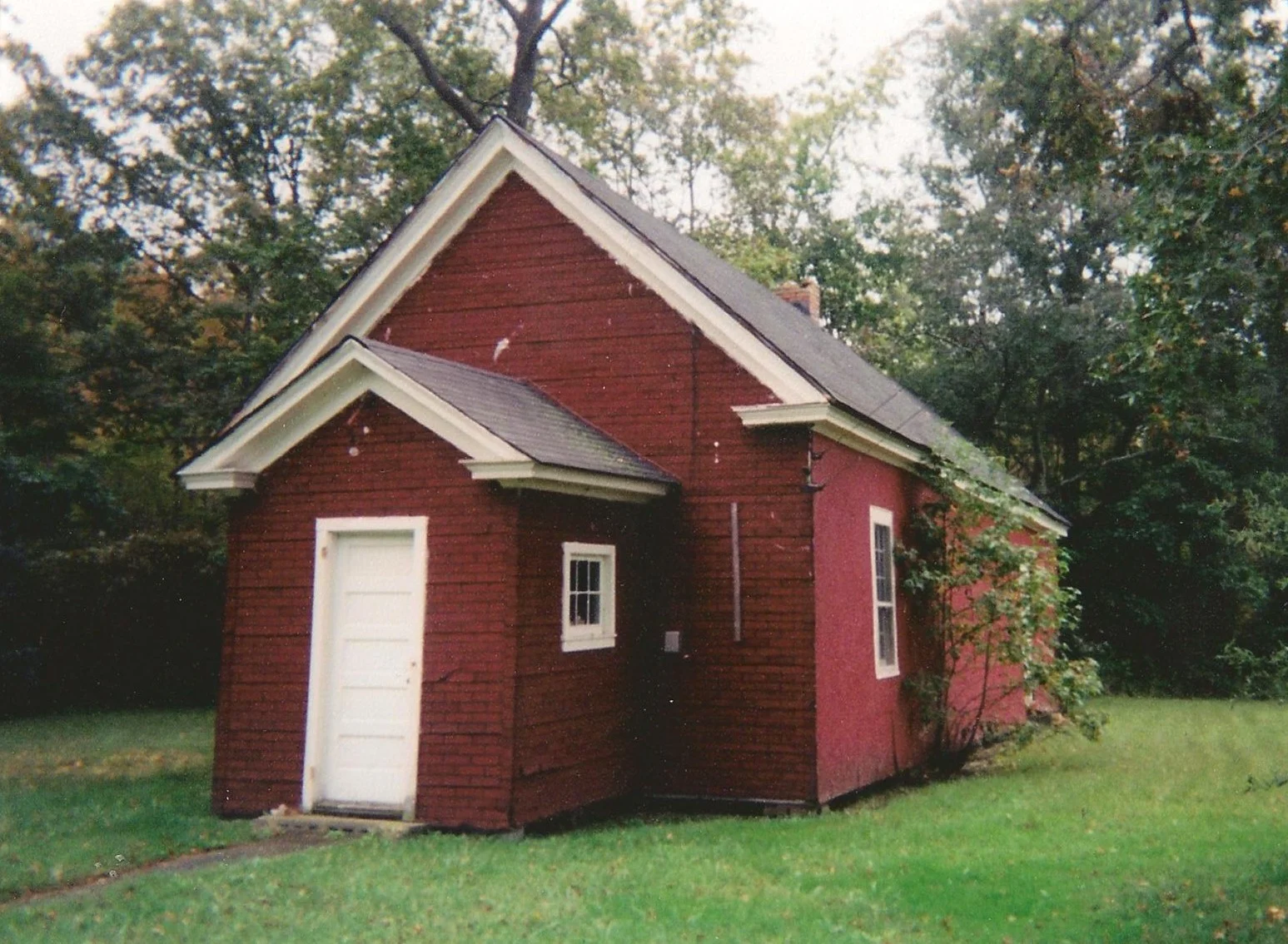
The African American one-room schoolhouse beside John Wesley Church stands for families’ determination to educate their children in an era of segregated schooling. Its significance belongs to the pupils, teachers, parents, and neighbors who made learning possible here—not simply to a construction date.
The school, church, and cemetery place education, faith, and family memory within the same small landscape. For descendants, the schoolhouse offers a tangible connection to earlier generations’ childhoods and aspirations. For visitors, it is a starting point for understanding Black community life in Dorchester County.
From classroom to community place
Follow the record, not one assumed date.
- 1872–1884 · The reported founding range
Community tradition and historical-tour research place the beginnings within this period. The exact opening date and the surviving building’s construction date remain under research.
- October 23, 1877 · A documented school lot
A deed from John E. Graham and his wife to the Board of School Commissioners, identified as Liber FJH No. 12, folio 131, conveyed a half-acre school lot. Its description is reproduced in the 1976 lease and identifies an adjoining church lot. This is a land-record date, not a confirmed opening day.
- The 1940s & 1949 · Children in the picture
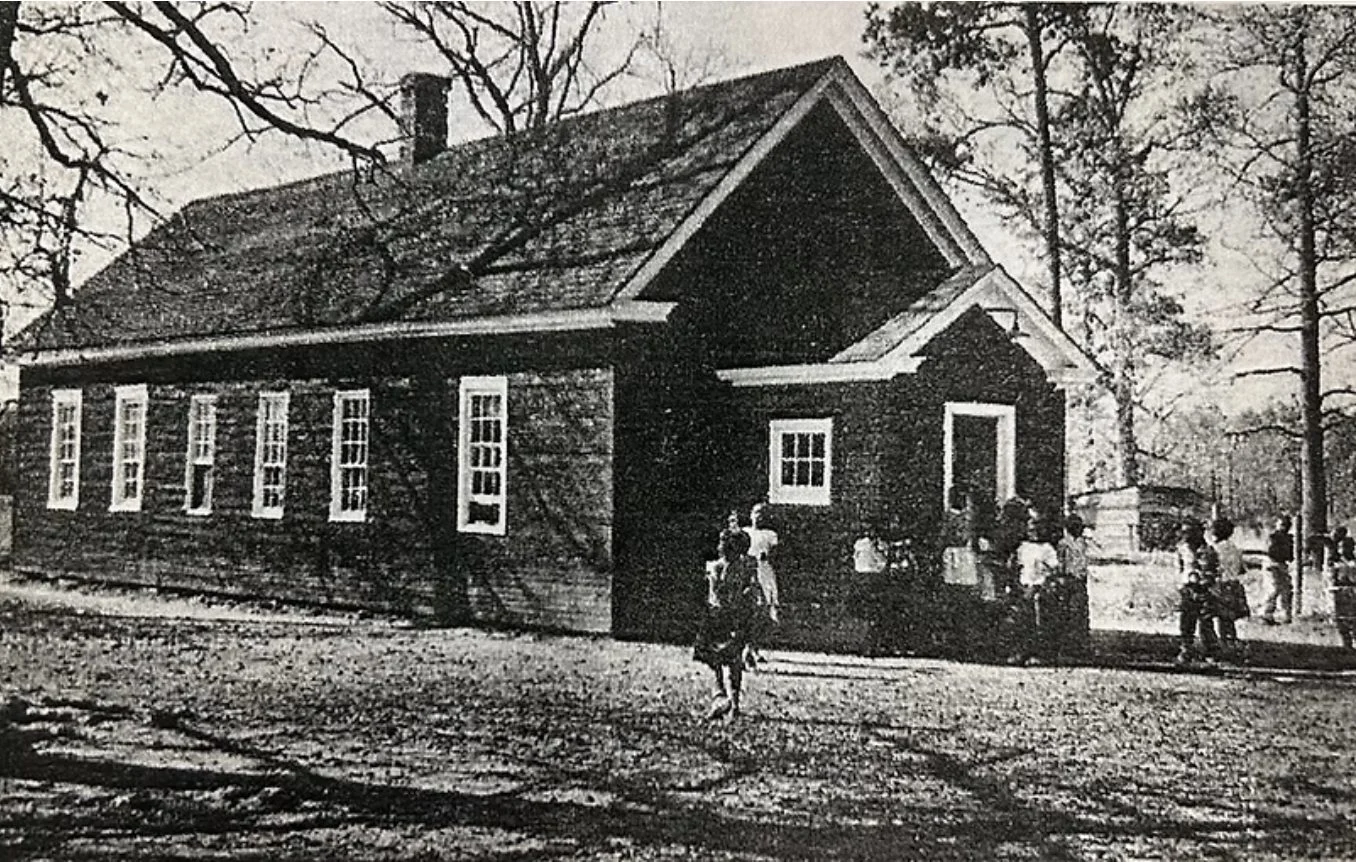
The collection includes pupils outside the school in a photograph identified as circa the 1940s, and an image associated with the county’s 1949 school survey. Names and memories can make these more than anonymous classroom history.
- The 1960s · School use remembered
The school is reported to have operated into the 1960s. Its precise closure year has not been established. The county’s 1971 desegregation milestone should not be substituted for this school’s closure date.
- 1972 · County ownership
The Group’s research identifies a July 11, 1972 conveyance of the former school property to Dorchester County. This title history is distinct from that of the church and cemetery.
- 1976–2006 · A community-use chapter
The February 17, 1976 lease provided the United Workers Community Club of John Wesley United Methodist Church a thirty-year term beginning March 1, 1976, at one dollar per year. It provided for nonprofit public use, reserved county use for public meetings, and placed maintenance, utilities, insurance, and related obligations on the Club. Leona Spicer signed as president and Ethel Farrare as secretary.
The family history inside the school history.
School photographs connect classmates, siblings, neighbors, and teachers. A remembered lesson or a name on the back of a photograph may explain relationships a deed cannot. Former pupils carried their learning into work, family life, and community service in Dorchester County and beyond.
The community-use lease adds another generation of stewardship. Preserving the schoolhouse honors both the children who learned here and the adults who sought to keep it useful after its classroom years.
Do you recognize a pupil, remember a teacher, or have a report card, program, class photograph, or school story? Share it privately for review, or collect and label images in the Photo Workshop.
The One Room Schoolhouse That Built a Dynasty
One room, generations of possibility: explore the schoolhouse’s legacy of education, family, and community.
AI-generated voices · How these stories are made
Committee review ongoing. This recording is unchanged from the existing collection. Historical corrections and possible overlap between recordings remain under review. Please share corrections and supporting records
Ready to play
Recording unavailable. Retry playback or use the original link below.
Open original recording (new tab)Our preservation effort
Save a place where history can be taught.
The Group seeks to preserve the schoolhouse with the church and cemetery, with the aim of future interpretation as a living history classroom. This is a proposed use, not an announcement of an operating museum, approved public opening, or completed restoration.
The September 2026 project record identifies a separate county-owned school parcel and an effort to secure its preservation. The church’s transfer process alone cannot convey the school. Completed ownership changes or agreements should be reported only from confirmed supporting documents.
Understand the building
Document its condition, architectural fabric, setting, and repair needs before choosing methods.
Keep it standing
Plan appropriate stabilization, weather protection, drainage, safe access, and maintenance.
Bring the story back
Preserve pupil and teacher names, memories, photographs, and educational interpretation.
Why we need donations
The next generation needs more than a photograph.
Preservation needs resources for careful assessment, planning, suitable repairs, insurance, maintenance, and interpretation. Qualified advice and documented estimates should determine the sequence and cost; no restoration total or completion date is promised here.
A preservation pledge, practical expertise, volunteer help, or well-documented family memory can contribute. The pledge form records an intention to help; online payment collection is not yet connected.
Sources and questions still open.
The chronology draws on the Group’s September 9, 2026 compilation: the 1877 deed description reproduced in the 1976 county lease, the 1972 county deed reference, and historical-tour research. The John Wesley survey D-595 also records the neighboring schoolhouse. Photographs retain their existing collection descriptions.
The exact founding, building, and closure dates remain open. A possible Baltimore educational-association connection is not established here, and this page does not identify the school as a Rosenwald school. Help strengthen the record.